
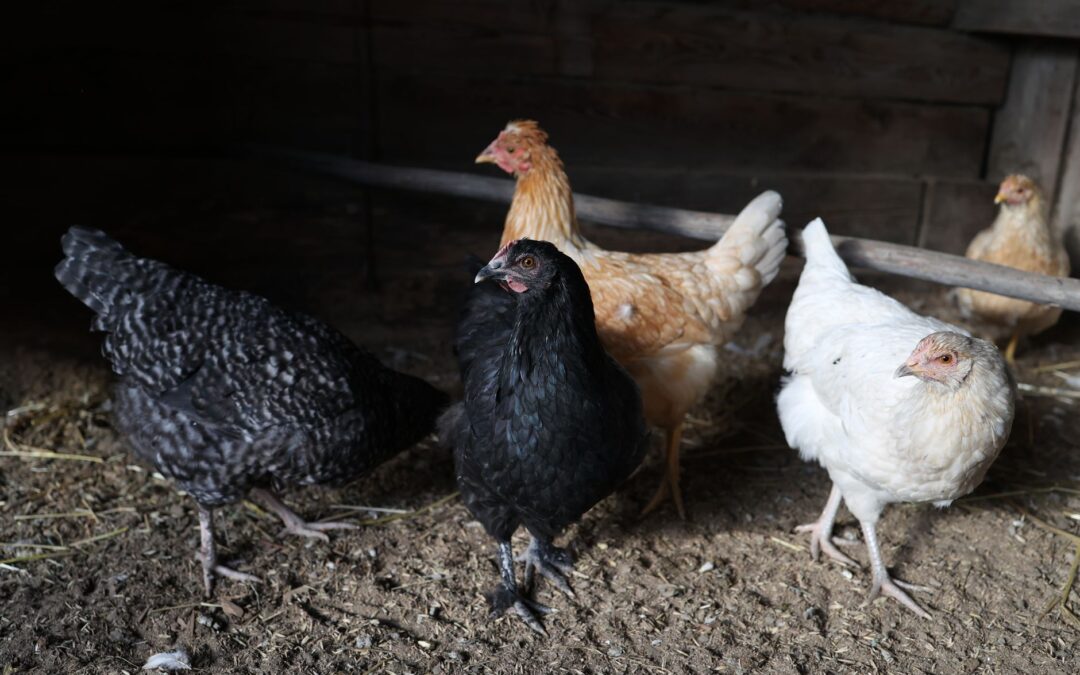
The best way to keep chicken water from freezing is to use a thermostatically controlled heated waterer made for outdoor use, or to swap in fresh warm water at least twice a day. Dark rubber pans, a sunny spot and a sheltered location can slow freezing on milder days.
What is the best waterer setup for freezing weather?
A heated waterer or heated base is the most hands-off choice, while a flexible rubber pan is the cheapest backup. Many keepers use both, since each solves a different problem.
Heated units are made to keep water just above freezing and usually shut off on their own when the weather warms. Follow the manufacturer’s directions closely, because a heated base made for a metal waterer may not be safe under a plastic one.
Rubber pans work without electricity. When ice forms, flex the pan or turn it upside down and the ice pops out. Dark colors absorb sunlight, so a black pan will stay liquid longer than a light one on a clear day.
Nipple-style waterers and narrow cups tend to freeze faster because they hold little water. In hard-freeze country, a wide, open container is easier to keep thawed.
How do you set up a winter watering routine?
Put the waterer in a draft-free spot, off the ground, and check it at the same times every day. A steady routine matters because hens that cannot get water often cut back on eating, and egg production can slip.
- Place the waterer inside the coop or in a wind-blocked corner of the run, away from the north side of the building.
- Set it on a flat, level, nonflammable base such as a paver or cinder block so bedding stays out of the water.
- Use an outdoor-rated extension cord, keep plugs and connections dry and off the floor, and run cords where hens cannot peck them.
- Brush away dust, loose feathers and dry bedding from around any electric device.
- Check water first thing in the morning and again in the afternoon, and replace any iced-over water with fresh, lukewarm water.
- Scrub the waterer regularly. Cold weather does not stop algae and slime from building up.
Lukewarm water is a good choice for refills. Very hot water can crack some containers and may be too warm for the birds.
Is it safe to add anything to chicken water to stop freezing?
No. Do not add salt, antifreeze or other chemicals to a flock’s water. Antifreeze is poisonous to animals, and salt can harm birds even in small amounts.
Heat lamps are another common question. Fire is a real concern in coops, where dry bedding, feather dust and cobwebs build up, and lamps that fall or get knocked loose are a known hazard. If you use any electric heat source near the coop, secure it firmly, keep it well clear of bedding, and ask your local fire department or county extension office about safe practices.
Simple fixes often work as well. A wind-blocking wall, a deeper layer of dry bedding and a waterer placed inside the coop can all keep ice from forming as quickly.
Quick answers
At what temperature does chicken water freeze?
Water freezes at 32 degrees Fahrenheit. A shallow pan in wind or shade can start icing over on a night that dips to or below freezing, so check it at first light.
Can chickens drink snow instead?
Hens may peck at snow, but it is not a dependable substitute for liquid water. Always make sure thawed water is available, especially on frozen mornings.
Should I put water out at night?
Chickens usually settle on the roost around dusk and drink little in the dark. Many keepers refill in the morning and again in the afternoon, so birds have fresh water when they are most active.
Test any heated waterer and cord a few days before the first hard freeze, and keep a spare rubber pan on hand in case the power goes out. If a hen seems weak or stops drinking, call your veterinarian.
Courtesy of Daily News Service. Original story: https://dailynewsservice.com/keep-chicken-water-from-freezing/