

To walk safely in the dark this fall, make yourself easy to see. Wear reflective or light-colored gear, carry a light, choose lit routes and face oncoming traffic when there is no sidewalk. Keep your head up and your phone in your pocket so you can hear and see what is coming.
By late November, the sun sets around 5 p.m. or earlier across much of the country. For many people, that means the after-work walk now happens in full darkness.
What should you wear to walk in the dark?
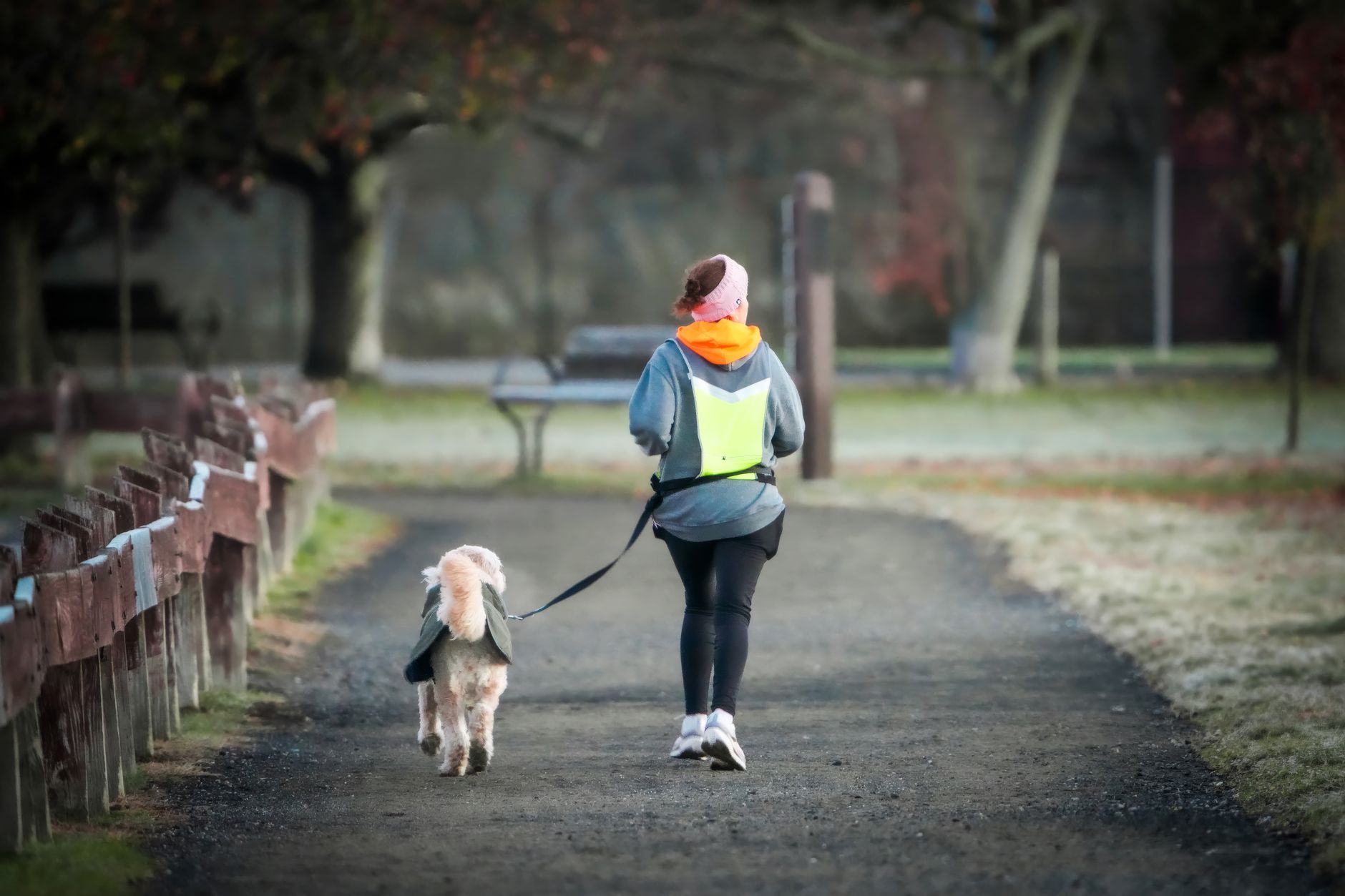
Wear light colors with reflective material, and add a light that drivers can see from a distance. Dark coats and gray sweatshirts are hard for drivers to pick out at night.
Reflective strips work best on parts of the body that move, such as ankles, wrists and shoes. Movement helps drivers recognize a person sooner than a single patch on the chest.
A small clip-on light or headlamp adds even more visibility. A white light in front helps you see the path, and a red or flashing light on your back helps people behind you notice you. Carry one even on streets with lamps, since lighting can be patchy.
Where is the safest place to walk when there is no sidewalk?
Use a sidewalk or trail whenever you can. When the only option is the road, walk on the left side, facing traffic, so you can see vehicles coming and step aside if needed.
Rules for pedestrians on roads differ by state and town, so check with your state transportation department or local police for the rules where you live. Some country roads have narrow shoulders, blind curves or hills that make night walking a poor idea no matter what the law allows.
Crossing deserves extra care after dark. Cross at corners or marked crosswalks, stop before you step out and try to make eye contact with the driver. Do not assume a driver has seen you just because you can see the headlights.
Your before-you-go checklist
A two-minute routine at the door makes night walks safer. Run through these items each time:
- Put on at least one reflective item, such as a vest, armband or jacket with reflective trim.
- Clip on a front light and a rear light, and check that the batteries work.
- Pick a route with sidewalks, streetlights or a trail, and stick to it.
- Tell someone at home your route and about when you expect to be back.
- Carry a charged phone, but keep it in a pocket instead of in your hand.
- Wear shoes with good tread, and keep any headphones to one ear or leave them home.
How do you avoid slips on fall and early winter paths?
Slow your pace and watch the ground. Wet leaves, frost and shaded patches can be slick, and they are hard to see in the dark.
Frost often forms first on bridges, boardwalks and shaded stretches of pavement. Shorter steps and a light that points at the ground a few feet ahead help you spot trouble early. If a stretch looks icy, turn around or pick another route.
Quick answers
Is it okay to wear headphones when walking at night?
It is safer to leave them out or use just one ear, since hearing a car, bike or dog approach matters when visibility is low. Keep the volume low if you do use them.
What color is easiest for drivers to see at night?
Light colors stand out more than dark ones, and reflective material stands out most when headlights hit it. Bright colors alone are not enough in full darkness, so add reflective gear or a light.
Can you walk on a rural road at night?
In most places it is allowed, but the rules vary by state and county. Check with your local sheriff or state transportation office, and consider a lit track, a trail or a daytime walk if the road has no shoulder.
If your schedule allows, move your longest walk to a lunch break or the first hour after sunrise, and save the dark hours for shorter loops near home. Anyone starting a new walking routine should talk with a doctor first.
Courtesy of Daily News Service. Original story: https://dailynewsservice.com/how-to-walk-safely-in-the-dark-fall/