
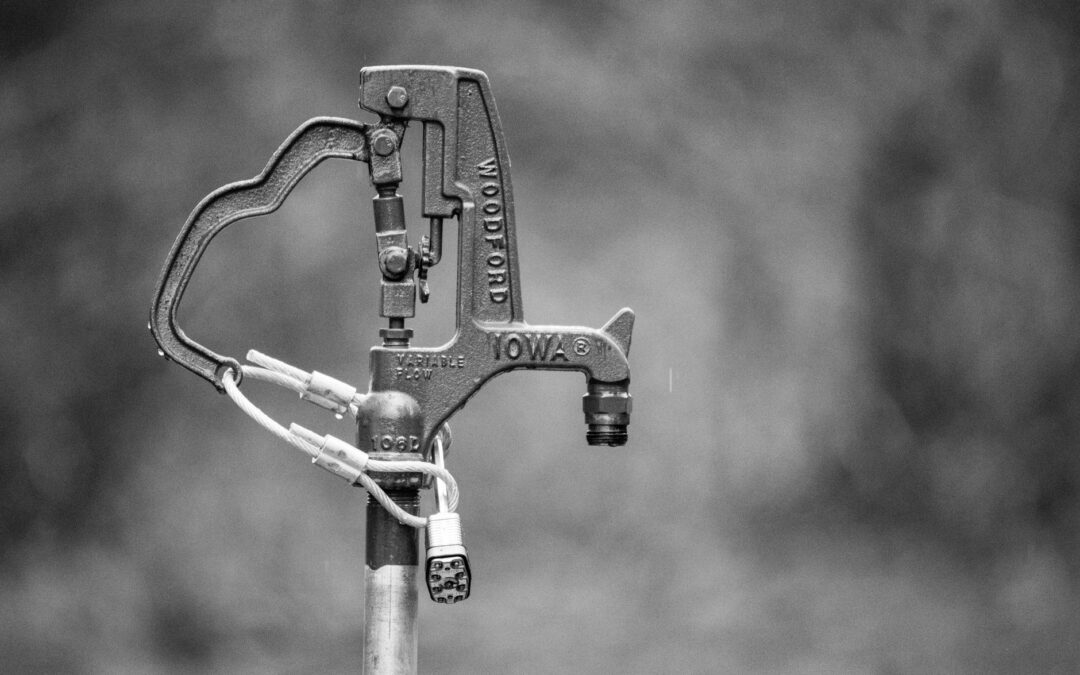
To winterize outdoor faucets, disconnect and drain every garden hose, shut off the indoor valve that feeds each faucet if there is one, and open the outdoor faucet so leftover water can drain out. Do this before nighttime temperatures drop to freezing, then cover the faucet for extra protection.
When should you winterize outdoor faucets?
Do it before the first forecast low at or below 32 degrees Fahrenheit, and ideally before the first hard freeze in your area. In many northern states, that can be well before Thanksgiving.
A quick job on a mild weekend is much easier than one on a bitter morning. Check your local weather forecast, and if you live where freezes are rare, still plan ahead for cold snaps.
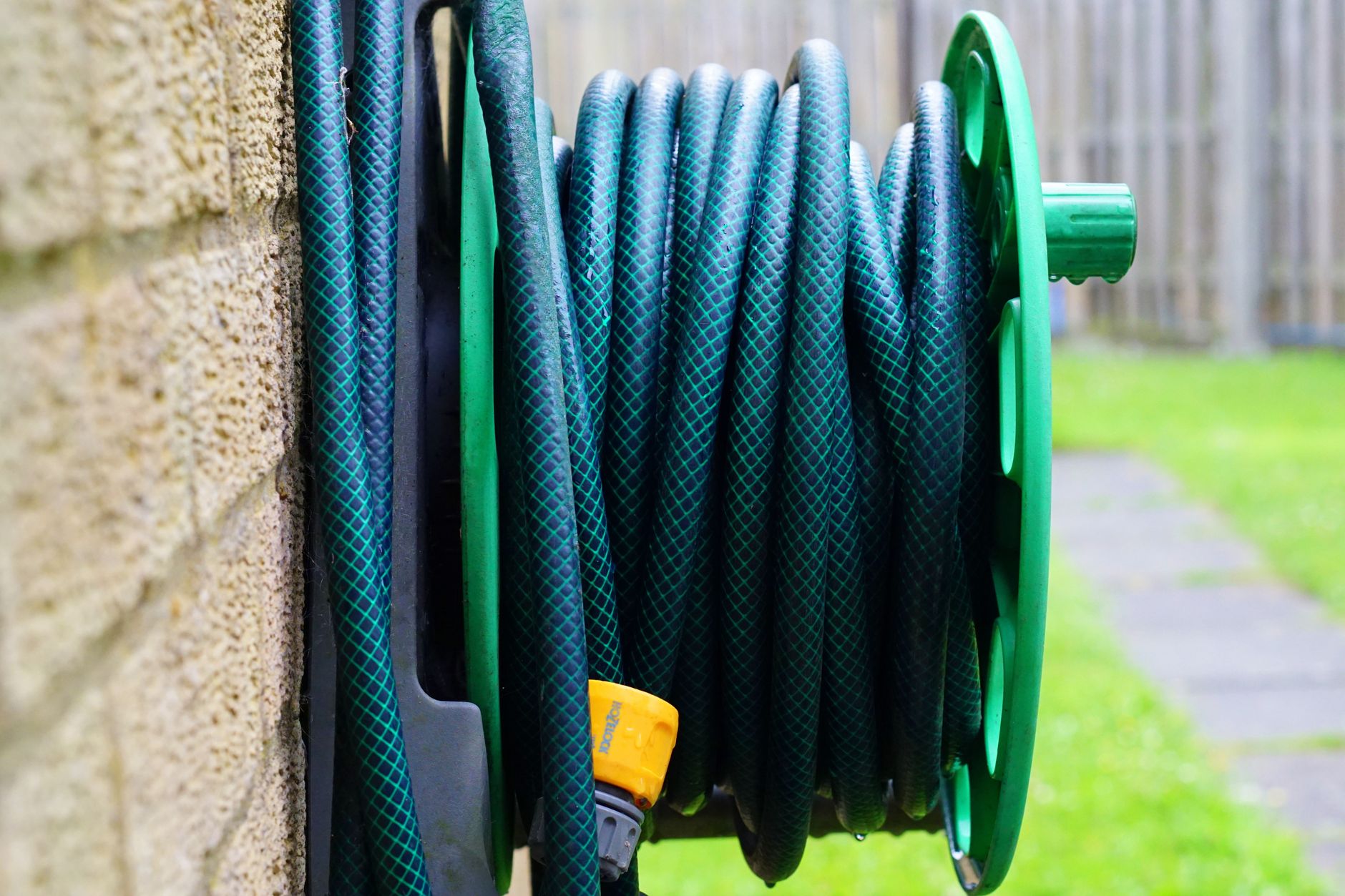
How do you drain and shut off an outdoor faucet?
Start with the hose, then find the indoor shutoff valve for that faucet. Water left in the pipe is what freezes, expands and can split the line, often inside a wall where the damage stays hidden until spring.
- Unscrew every garden hose, splitter and spray nozzle from the faucet.
- Drain each hose by lifting one end, then coil it and store it in a garage or shed.
- Find the indoor shutoff valve for that faucet. It is often in a basement, crawl space or utility room, near where the pipe goes through the wall.
- Turn the valve to the off position.
- Go outside and open the faucet handle all the way so trapped water can run out.
- If the indoor valve has a small cap or bleeder on its side, place a bucket underneath and open it to drain the last water.
- Leave the outdoor faucet open for the winter so any remaining moisture has room to expand safely.
- Slip an insulated faucet cover over the spigot and make sure it fits snugly against the wall.
Some homes have no indoor shutoff for the outdoor line. In that case, disconnect the hose, drain the faucet and use a cover. If you are unsure how your plumbing is set up, ask a licensed plumber to take a look.
Do frost-free faucets still need winterizing?
Yes, at least partly. A frost-free faucet is built so the shutoff point sits inside the warm part of the house, but it only works as designed when water can drain out of it.
A hose left attached can hold water in the faucet barrel, and that trapped water can freeze. Frost-free faucets also need to tilt slightly downward to drain. If water drips from the spout for a long time after you shut it off, or the faucet runs when it should be closed, the faucet may need repair.
What are the signs of a frozen or burst pipe?
Look for a faucet that produces no water or only a trickle, frost on the pipe, or damp drywall near where the line enters the house. A burst pipe may show up as water spraying, dripping or pooling indoors once temperatures rise and the ice melts.
If you suspect a burst pipe, shut off your home’s main water valve right away and call a plumber. Do not use open flames to thaw pipes.
Quick answers
Do foam faucet covers work on their own?
They slow heat loss, but they do not keep water from freezing in a long cold spell. Think of a cover as an extra layer on top of disconnecting the hose and draining the line.
What about sprinkler or irrigation systems?
Underground systems usually need to be drained or cleared of water by a professional or according to the manufacturer’s instructions. Timing and methods vary by region, so check with a local irrigation or plumbing company.
Should the outdoor faucet stay open all winter?
If you have shut off the indoor valve and drained the line, leaving the outdoor faucet open lets any leftover water escape instead of building pressure. Close it again in spring before you turn the indoor valve back on.
When spring arrives, turn the indoor valve back on slowly and check the pipe and the wall around it for drips, then run water outside for a minute. A small leak caught early is far cheaper to fix than one that runs behind a wall for weeks.
Courtesy of Daily News Service. Original story: https://dailynewsservice.com/how-to-winterize-outdoor-faucets/